Dog treat trends in 2026 are moving beyond simple rewards. Pet humanization, functional nutrition, premium processing, simpler ingredients and different feeding occasions are influencing how brands develop new treat products.
This growth is also supported by continued expansion in the wider pet care market. APPA reported that U.S. pet industry expenditures reached $158 billion in 2025 and are expected to continue growing in 2026. Grand View Research estimated the global pet snacks and treats market at USD 45.2 billion in 2025 and projects it to reach USD 108.8 billion by 2033. These figures highlight the growth of both the overall pet care market and the pet treats category.
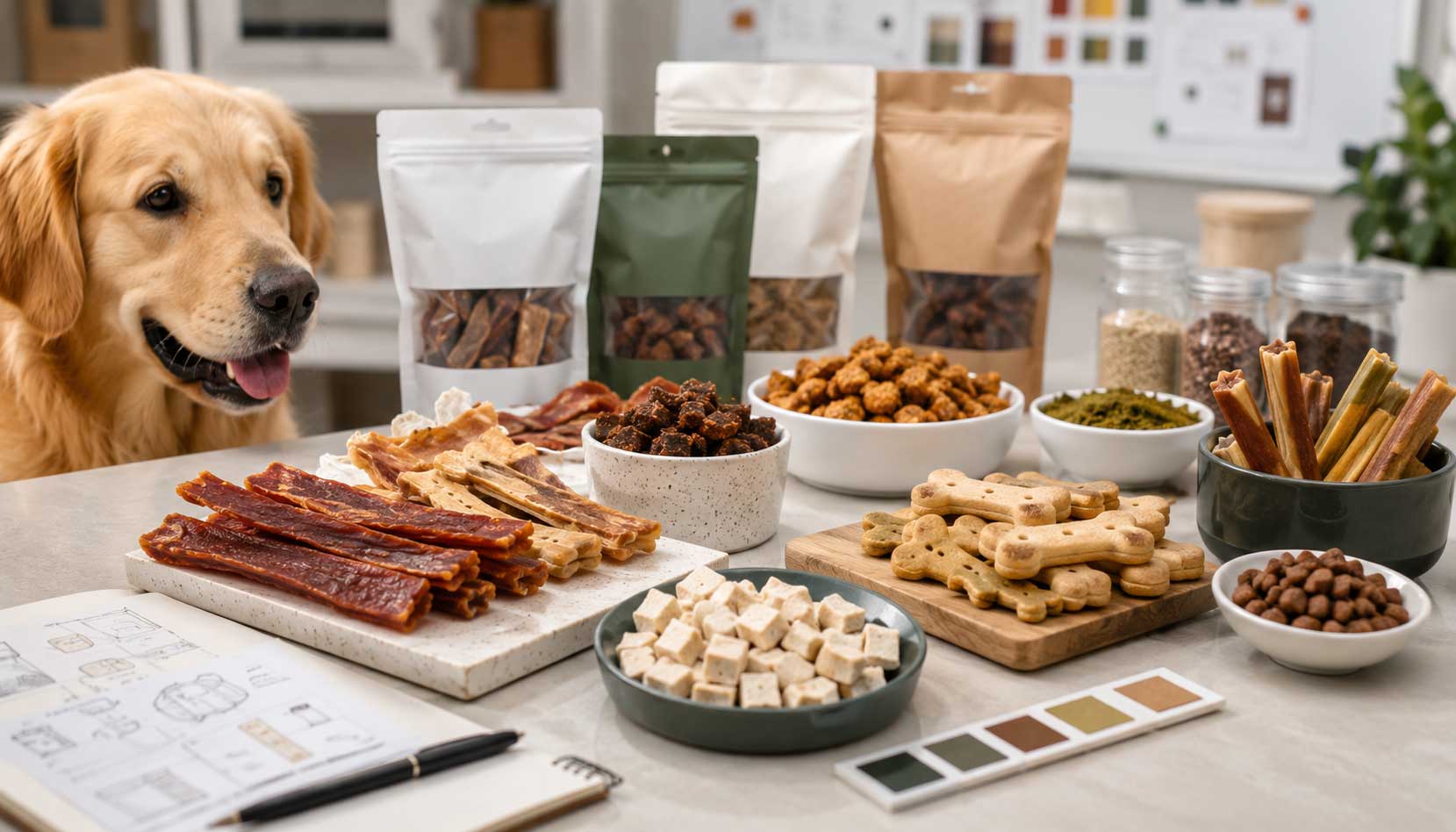
Dog treats now come in many forms, from meat-based snacks and biscuits to dental chews, freeze-dried and air-dried treats, functional snacks and seasonal products. Each format serves a slightly different purpose, whether it is a quick reward, training aid, longer chewing experience or premium everyday snack.
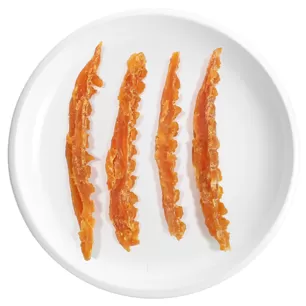
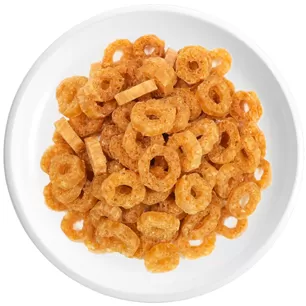
Meat treats such as chicken jerky, duck strips and beef slices remain popular for their familiar ingredients and high-protein appeal. Biscuits and baked treats offer a wider range of shapes and textures, while dental chews are often developed around longer chewing time. Freeze-dried and air-dried treats, meanwhile, give brands another way to highlight meat content and premium ingredients.
| Treat Type | Main Consumer Appeal | Product Development Focus |
| Meat Jerky / Strips | High protein, real meat image | Texture, protein source, palatability |
| Dental Chews | Oral care and longer chew time | Shape, hardness, functional claims |
| Freeze-Dried Treats | Premium,meat-forward, lightweight | Ingredient quality and process control |
| Air-Dried Treats | Natural feel and shelf stability | Moisture control and flavor retention |
| Baked Biscuits | Daily reward and affordability | Shape, flavor, grain-free or functional options |
| Seasonal Treats | Giftable and campaign-friendly | Holiday design, packaging and limited editions |
The key is to make the function work within the recipe. For OEM/ODM development, these products also require attention to ingredient sourcing, dosage, local regulations and palatability testing.
Freeze-dried, air-dried and baked treats each offer a different balance of ingredient visibility, texture, shelf stability and production cost. This gives brands more options when building a premium or differentiated treat line.
Freeze-dried dog treats are often associated with high meat content, premium ingredients and a less processed image. Grand View Research estimated the freeze-dried dog food market at USD 2.7 billion in 2023 and projects it to reach USD 3.7 billion by 2030. The growth of the broader freeze-dried category is also creating opportunities for the format in treats, toppers and mixed feeding.
Air-dried treats offer a chewy texture and a meat-forward positioning while remaining shelf stable. Baked treats, on the other hand, continue to have a place in mainstream product lines because of their flexibility in shape, recipe and cost.
Single-protein and simple-ingredient treats make the recipe easier for consumers to understand, with a clear focus on the main protein source. They also fit well with the wider interest in clean-label products and ingredient transparency. But a simple ingredient list does not necessarily make development simple. Single-protein treats still require stable sourcing, food safety controls, consistent processing and good palatability.
A good treat is not only about ingredients. Its size, texture and format also need to match how and when it will be used. Small, soft pieces are practical for training because they can be fed quickly. Crunchy baked treats offer a different eating experience, while longer-lasting chews can provide a longer chewing experience and support boredom relief.. Treat size and hardness also need to take the dog’s size and chewing habits into account. The occasion matters too. Training treats, everyday rewards, dental chews, travel snacks, holiday treats and senior-dog products can all have very different requirements, even when they are built around similar ingredients.
For brands, this means a treat portfolio does not have to rely on completely different recipes for every product. Changes in shape, size, texture, packaging and positioning can create different products for different occasions.
https://www.grandviewresearch.com/industry-analysis/pet-snacks-treats-market-report
https://www.grandviewresearch.com/industry-analysis/freeze-dried-dog-food-market-report
Popular formats include meat jerky, dental chews, freeze-dried treats, air-dried snacks, baked biscuits, functional treats and seasonal products.
More pet owners are looking for treats that fit into their dogs’ everyday wellness routines, including digestion, joint, oral, skin and coat care.
Yes. Freeze-dried treats continue to attract attention because of their premium positioning, meat-forward recipes and convenient format.
A single-protein treat uses one primary animal protein source, such as chicken, duck, beef, lamb or salmon.
Brands should consider their target consumers, price point, sales channel, ingredient supply, regulations, product format and production scalability before developing a new treat.
 Interzoo
 How to Start Your Own Pet Food Brand: From Brand Concept to Commercial Production
 Global Pet Expo

Building 10, Eureka Industry Park, Lane 863, Jinhui Road, Huacao Town, Minhang District, Shanghai, China

 English
 日本語
日本語 한국어
한국어 français
 Deutsch
 Español
 italiano
 русский
 português
 العربية
 Türkçe