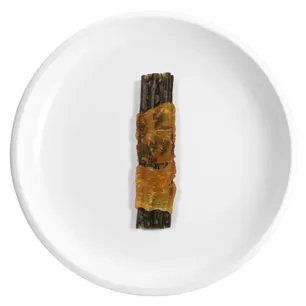
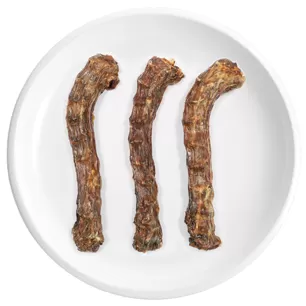
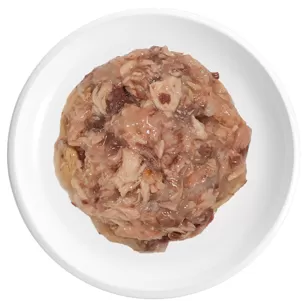
Lickable cat treats have become an increasingly popular format in the cat food market because they combine convenience, high palatability and interactive feeding experiences. Unlike traditional dry snacks, these products focus on smooth texture, aroma release and easy consumption.
For pet brands, developing successful lickable products requires more than creating an attractive flavor. Formula stability, viscosity, ingredient selection, packaging format and manufacturing consistency all influence market performance. Gambol supports global partners with customized pet food and treat development solutions.
Lickable cat treats are soft, creamy pet snacks designed to be consumed by licking, providing a different feeding experience from traditional treats and complete wet cat food.
These products are usually positioned as snacks, toppers or interactive feeding solutions rather than complete meals. Their smooth texture and strong aroma make them attractive for cats with different preferences and can create stronger interaction between pets and owners.
Pet Food Institute explains that wet pet food typically contains higher moisture content than dry food, which contributes to differences in texture and feeding experience.
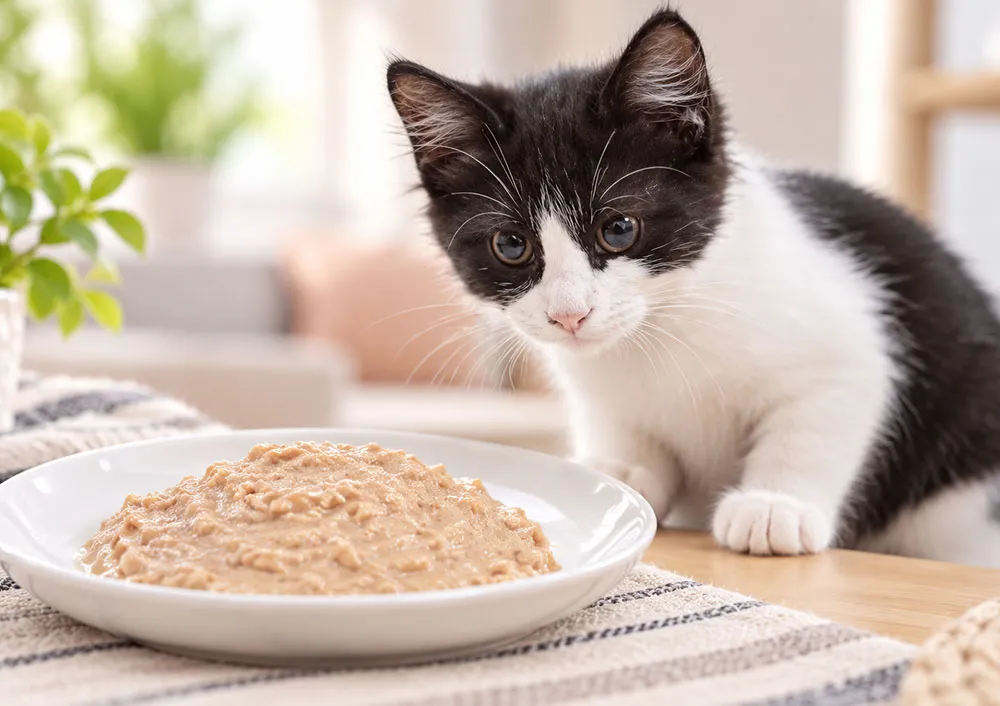
The growth of lickable cat treats is driven by changing pet care habits, demand for premium products and the increasing focus on feeding experiences.
Compared with traditional snacks, lickable formats provide a softer texture and can be used in different situations, including rewards, meal toppers and bonding activities. For brands, this category creates opportunities to differentiate products through flavors, packaging and functional positioning.
Market demand is also influenced by the wider growth of premium pet food categories, where owners increasingly look for products that combine convenience with functional health and quality benefits.
A high-quality lickable cat treat depends on balanced texture, smoothness, viscosity and palatability to provide a consistent feeding experience.
For product developers, important factors include:
Stable creamy texture during shelf life
Strong aroma and flavor acceptance
Suitable consistency for easy dispensing
Texture design is one of the key differences between lickable products and other treat formats. Manufacturers need to balance sensory appeal with formula stability so that the product remains attractive from production to final consumption.
Ingredient selection determines the flavor profile, nutritional positioning and market appeal of lickable cat treats. Quality ingredients are also important for developing healthy cat foods that meet changing consumer expectations. Common flavor directions include meat and seafood ingredients that provide strong aroma and acceptance.
Ingredient Direction | Product Value |
Chicken | Popular protein source with high acceptance |
Tuna | Strong seafood aroma positioning |
Salmon | Premium marine ingredient positioning |
Krill | Differentiated marine nutrition concept |
According to the Association of American Feed Control Officials (AAFCO) provides detailed guidance on pet food labeling requirements, ingredient statements and product claims.

Choosing the right lickable cat treat supplier requires evaluating formulation capability, quality control, customization support and production consistency. Brands should consider whether a manufacturer can support the complete development process, including formula adjustment, flavor development, packaging options and scalable production. For companies developing new cat snack lines, lickable cat treats represents a growing product opportunity. Manufacturers with experience in cat treats can provide more targeted support for different market requirements.
For brands entering the growing lickable cat treat market, product success depends on more than creating a creamy texture. Formula stability, flavor selection, viscosity control, palatability and packaging compatibility all influence the final product experience.
Gambol supports global pet brands with customized lickable cat treat development, helping partners transform product concepts into market-ready solutions. From flavor innovation and texture adjustment to large-scale manufacturing and quality control, Gambol provides support throughout the product development process.
With experience in developing different types of cat snacks, Gambol helps brands create lickable formats that meet diverse market needs, including interactive feeding products, creamy treat pouches and functional snack applications. By combining formulation expertise with flexible OEM/ODM capabilities, Gambol enables partners to build differentiated cat treat portfolios for international markets.
Lickable cat treats combine convenience, palatability and interactive feeding value, making them an important category in the evolving pet food market. For brands, successful product development depends on selecting the right ingredients, texture system and manufacturing partner. Gambol supports global customers with professional development and production capabilities.
Most lickable treats are snacks or toppers rather than complete meals.
Their smooth texture and aroma often improve acceptance.
Yes, manufacturers can customize formulas, flavors and packaging.
Chicken, tuna, salmon and seafood flavors are widely used.
They are often selected because of their texture and strong aroma.
Brands should evaluate formulation, quality control and production capability.
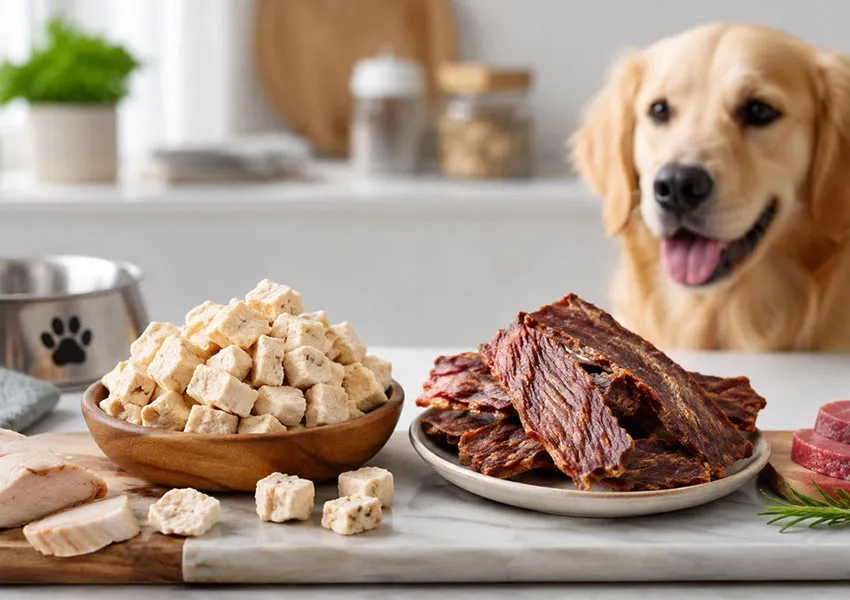 Freeze-Dried vs Air-Dried Dog Treats: How Should Brands Choose the Right Product Format?
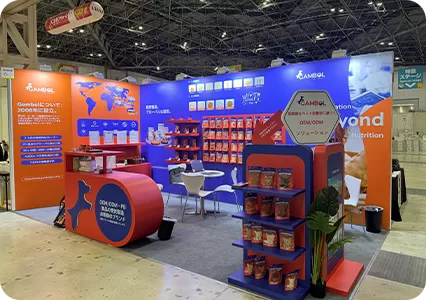 Interpets
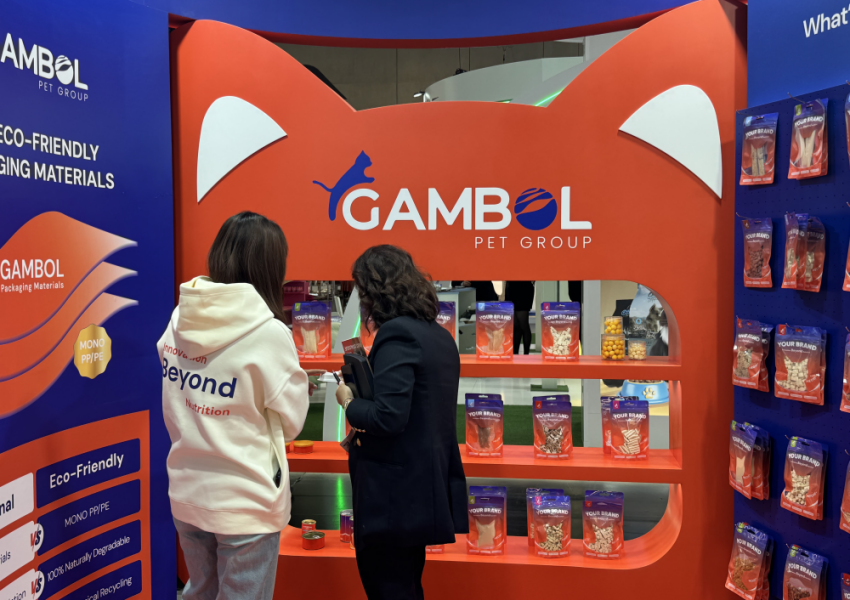 Interzoo

Building 10, Eureka Industry Park, Lane 863, Jinhui Road, Huacao Town, Minhang District, Shanghai, China

 English
 日本語
日本語 한국어
한국어 français
 Deutsch
 Español
 italiano
 русский
 português
 العربية
 Türkçe